viper357
Admin
- Joined
- 4 May 2007
- Posts
- 30,383
- Reaction score
- 1,633
I have the Hydor Slim Skim Nano 135 skimmer for my 120 litre nano. I bought it for the sole purpose of surface skimming to try and get rid of the inevitable slimy, oily, dirty surface layer that sits on the top of the water in unsumped nano's. So after running it for a while I noticed it pretty much didn't skim the surface of the water at all, so it went into the garage for a few months and I bought an overflow box and ran a small sump with a separate skimmer. Anyway, that was ages ago, I have now started up my nano again and am going sumpless, so needed something to sort out the surface skimming problem.
I tried the skimmer again but it wasn't skimming the surface of the water no matter how I adjusted it. So I did some googling and I came across this thread (Hydor Slim Skim Mod - The Reef Tank) which made sense so I thought I would try it myself.
In a nutshell, you're going to be sealing off all gaps to stop the skimmer from sucking in water from anywhere else but the surface of the water.
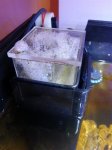
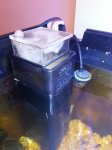
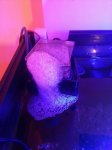
Here are some pics of what I did, and IT WORKS!!! It is like night and day how much better the surface skimming is, within a few minutes of running, the surface of my water was crystal clear.
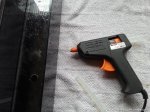
You'll need, a hot glue gun and a roll of toilet paper or kitchen towel to dry the edges, I find toilet paper works a lot better than normal towels as it absorbs a lot more. Use a hot glue gun instead of silicone as the glue is a lot easier to remove.
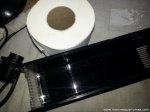
First, strip and soak in fresh water for about 10 minutes to remove all traces of stickiness and salt.
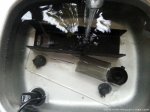
Then dry everything as best you can before proceeding.
The first piece I glued was on the pump where the air pipe goes on to the pump, in this pic you can see there is a big gap here where both water and bubbles can get through. The arrowed and circled part.
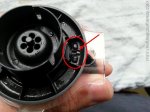
And here you can see the blob of glue which has now sealed that hole.
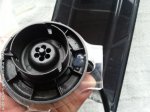
Next to be sealed is the square, clear, bottom acrylic plate with all the slots cut into it, this is where the water exits the skimmer back into the tank.
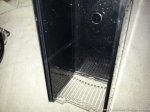
However at the front part of this place are huge gaps where water is sucked into the skimmer from the bottom of the tank, we don't want that as we want the water to be sucked in from the top of the tank. This pic shows the gaps I am referring to:
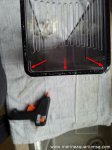
To seal this off, turn the skimmer upside down and put the glue on the underside of the skimmer.
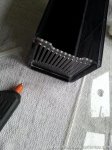
Here is a pic showing where I glued the gaps closed, you only need to come around and up the corners by about 1cm as that is where the front panel of the skimmer stops. You can see I botched up the one corner a little bit because the glue gun slipped, but it's still sealed so it's all good.
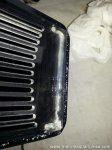
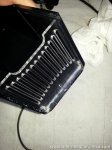
Next plan of attack is to glue along the inside edge of the long piece of acrylic with the pump hole in it. In this pic you can see the red arrows where you need to glue along, all along the bottom where it meets the bottom plate and then up both sides and stop at the part where the recessed slots are (blue arrows). That is where the pump slides in so you don't want to get any glue in there.
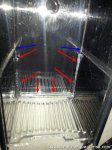
Next is to glue all the way along the long sides almost up to the top of the skimmer. Starting from the recessed slot. I stopped roughly where the slots start for the surface skimming. (blue arrows indicate where I started and stopped).
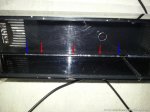
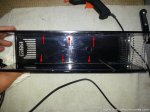
These are the recessed slots to keep clear of glue.
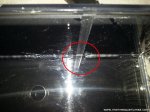
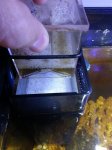
And that's it, put it all back together and put it in your tank, you will need to adjust the level of the whole skimmer until it starts to suck all the muck off of the surface of the water. If you look down from the top down the front narrow chamber, you can see the water level inside the narrow chamber, I found that if I moved the skimmer up and down until I got the water level about 2cm's below the skimming slots then it worked perfectly, it's kind of like a gentle waterfall of water coming through the slots and falling down into the chamber.
It is a fantastic improvement and all credit goes to the author in the link at the top of this post, great idea, it works beautifully. Thank You.
p.s. As stated, it is not a good idea to do this if you are not running an automatic top up unit, you run the risk of running the pump dry if the water level drops and then you end up with a broken skimmer. YOU HAVE BEEN WARNED.


I tried the skimmer again but it wasn't skimming the surface of the water no matter how I adjusted it.
So I did some googling and I came across this thread (Hydor Slim Skim Mod - The Reef Tank) which made sense so I thought I would try it myself.In a nutshell, you're going to be sealing off all gaps to stop the skimmer from sucking in water from anywhere else but the surface of the water.
Here are some pics of what I did, and IT WORKS!!! It is like night and day how much better the surface skimming is, within a few minutes of running, the surface of my water was crystal clear.
You'll need, a hot glue gun and a roll of toilet paper or kitchen towel to dry the edges, I find toilet paper works a lot better than normal towels as it absorbs a lot more. Use a hot glue gun instead of silicone as the glue is a lot easier to remove.
First, strip and soak in fresh water for about 10 minutes to remove all traces of stickiness and salt.
Then dry everything as best you can before proceeding.
The first piece I glued was on the pump where the air pipe goes on to the pump, in this pic you can see there is a big gap here where both water and bubbles can get through. The arrowed and circled part.
And here you can see the blob of glue which has now sealed that hole.
Next to be sealed is the square, clear, bottom acrylic plate with all the slots cut into it, this is where the water exits the skimmer back into the tank.
However at the front part of this place are huge gaps where water is sucked into the skimmer from the bottom of the tank, we don't want that as we want the water to be sucked in from the top of the tank. This pic shows the gaps I am referring to:
To seal this off, turn the skimmer upside down and put the glue on the underside of the skimmer.
Here is a pic showing where I glued the gaps closed, you only need to come around and up the corners by about 1cm as that is where the front panel of the skimmer stops. You can see I botched up the one corner a little bit because the glue gun slipped, but it's still sealed so it's all good.
Next plan of attack is to glue along the inside edge of the long piece of acrylic with the pump hole in it. In this pic you can see the red arrows where you need to glue along, all along the bottom where it meets the bottom plate and then up both sides and stop at the part where the recessed slots are (blue arrows). That is where the pump slides in so you don't want to get any glue in there.
Next is to glue all the way along the long sides almost up to the top of the skimmer. Starting from the recessed slot. I stopped roughly where the slots start for the surface skimming. (blue arrows indicate where I started and stopped).
These are the recessed slots to keep clear of glue.
And that's it, put it all back together and put it in your tank, you will need to adjust the level of the whole skimmer until it starts to suck all the muck off of the surface of the water. If you look down from the top down the front narrow chamber, you can see the water level inside the narrow chamber, I found that if I moved the skimmer up and down until I got the water level about 2cm's below the skimming slots then it worked perfectly, it's kind of like a gentle waterfall of water coming through the slots and falling down into the chamber.
It is a fantastic improvement and all credit goes to the author in the link at the top of this post, great idea, it works beautifully. Thank You.
p.s. As stated, it is not a good idea to do this if you are not running an automatic top up unit, you run the risk of running the pump dry if the water level drops and then you end up with a broken skimmer. YOU HAVE BEEN WARNED.